A smart home device's sticker price is often the least important number on the box. The real cost question is: does this thing keep working the same way in year two, or does most of what you bought it for sit behind a subscription — or worse, a company's decision to keep the servers running at all?
The two different kinds of "smart"
It's worth separating smart devices into two categories before you buy. Some are smart entirely on-device — a lock that connects over Bluetooth directly to your phone, a thermostat that runs its scheduling logic locally. These keep working even if the manufacturer disappears tomorrow. Others are smart only because a cloud service is doing the actual work — a camera that stores footage on the company's servers, a robot vacuum whose mapping and scheduling features route through an app backend. If the second category's backend goes away — the company shuts down, gets acquired and sunsets the product, or just decides to deprecate an older device line — you can be left holding hardware that does noticeably less than what you paid for, sometimes nothing at all.
Read the subscription page before the spec sheet
Manufacturers are not always upfront about which features require a paid plan versus which come free forever. A common pattern: the device ships with a free tier that covers basic function, but the actually useful features (extended video history, person/package detection, multi-week trend history) sit behind a monthly fee that wasn't obvious on the product page. Before buying, specifically look for the company's subscription/plans page — not just the product page — and check what the FREE tier actually includes versus what requires payment, since that's where the real ongoing cost lives.
Ask what happens if you stop paying
Some devices degrade gracefully without a subscription — a smart camera might still work as a basic local-only camera with short clip storage. Others become close to useless — a video doorbell that refuses to even show a live feed without an active plan, for instance. This information is rarely advertised clearly, but it's usually findable in the company's own support documentation or in longer-term owner discussions. It's worth checking before buying, not after the free trial period ends.
Company longevity is a real spec, even though nobody publishes it
Smart home history has a fairly long list of devices that were fully functional, then had their cloud backend shut down within a few years — sometimes because the company failed, sometimes because a larger company acquired it and discontinued the product line. There's no way to predict this with certainty, but a few weak signals help: how long has the company been selling connected devices (a longer track record is at least some evidence), does the product work on any open standard (Matter, HomeKit, a documented local API) that would let it survive a company's shutdown in a degraded form, and has the company previously discontinued similar products without a migration path.
The practical takeaway
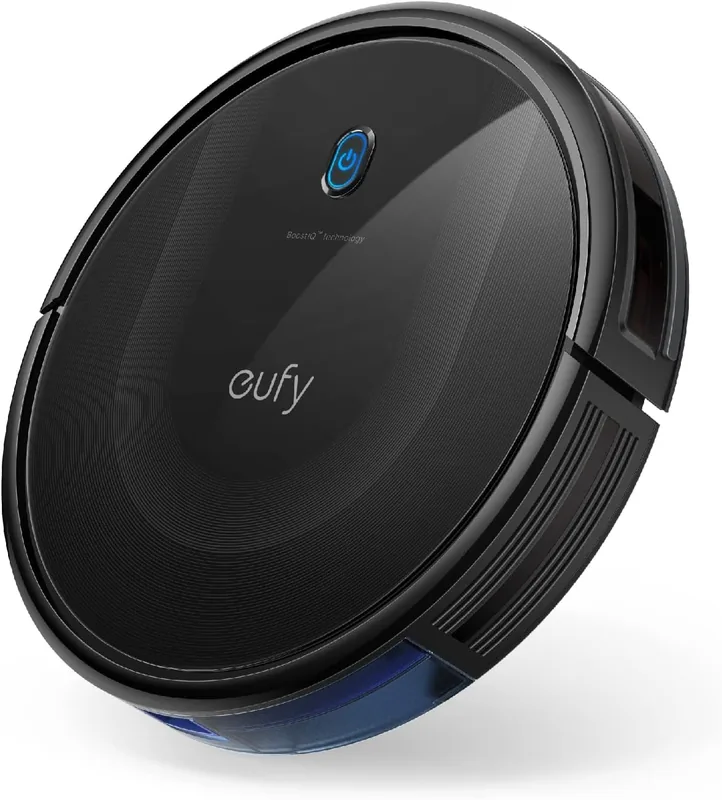
None of this means avoid smart devices — plenty of them genuinely improve daily life and are priced fairly for what they do. It means treating the subscription page as part of the purchase decision, not fine print to deal with later, and specifically checking what a device becomes if you decline the subscription or if the company eventually walks away from it. A device that's still useful in "dumb mode" is a meaningfully safer purchase than one that becomes a paperweight. Our robot vacuum WiFi vs. no-WiFi comparison covers a concrete version of this trade-off — the eufy 11S MAX it discusses runs entirely on-device, with no account or cloud service to lose access to.