
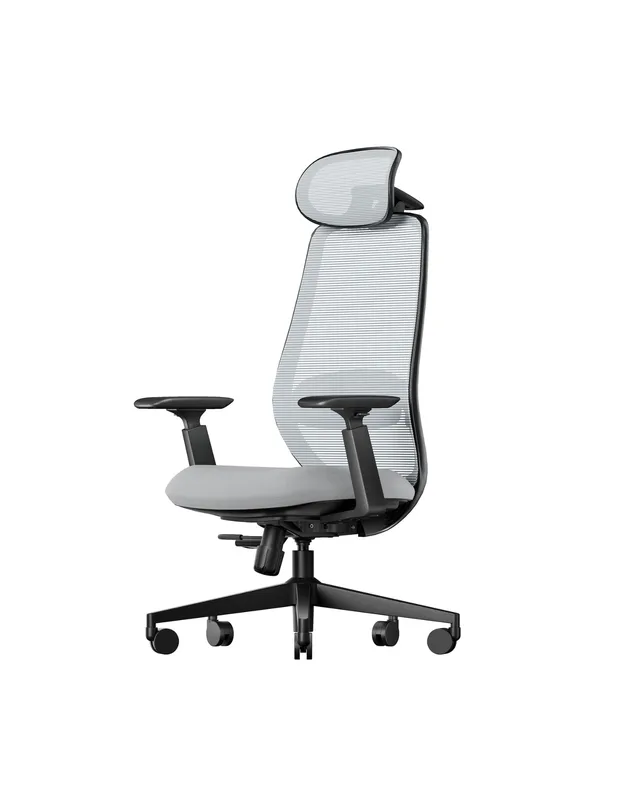
ProtoArc EC200 Chair
Adjustable mesh office chair with 8-point ergonomic fit
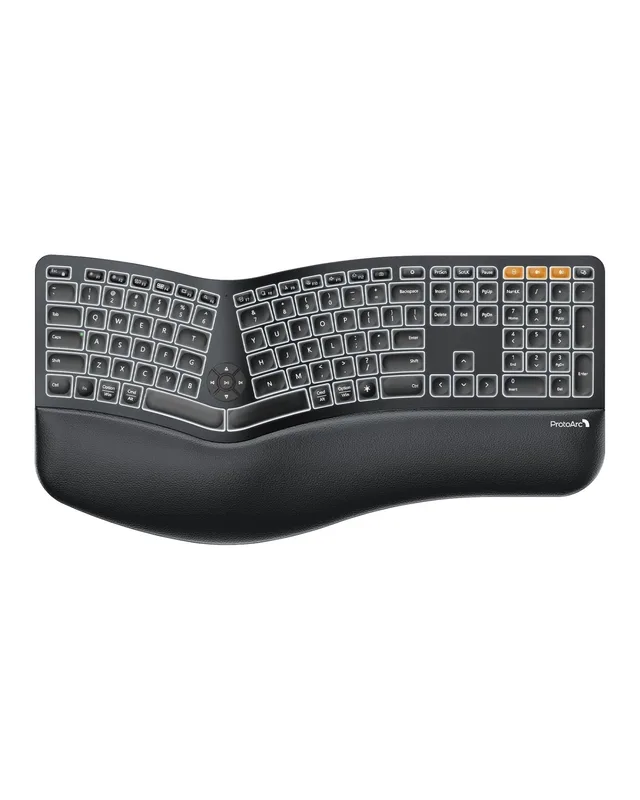
ProtoArc EK01 Plus
Split ergonomic keyboard with backlight and 3-device Bluetooth
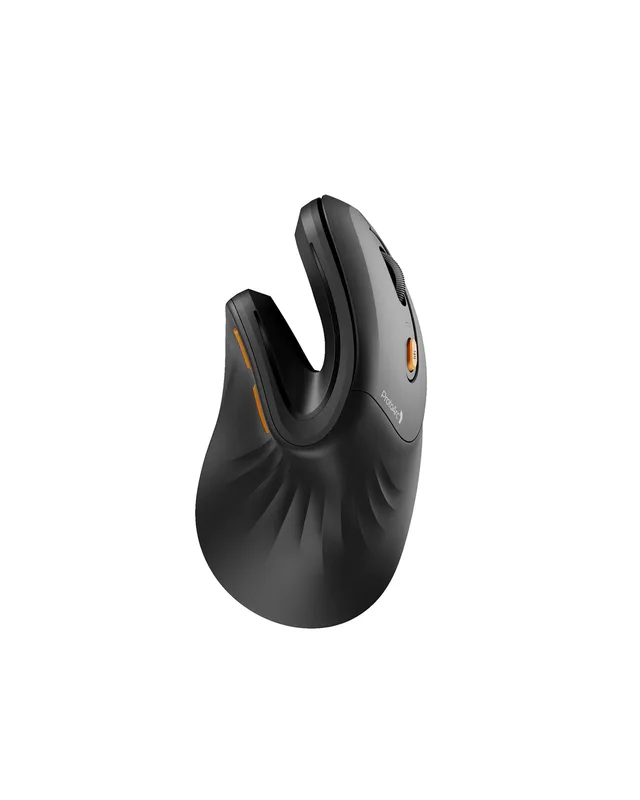
ProtoArc EM11 NL Mouse
Compact vertical mouse for wrist strain and small hands
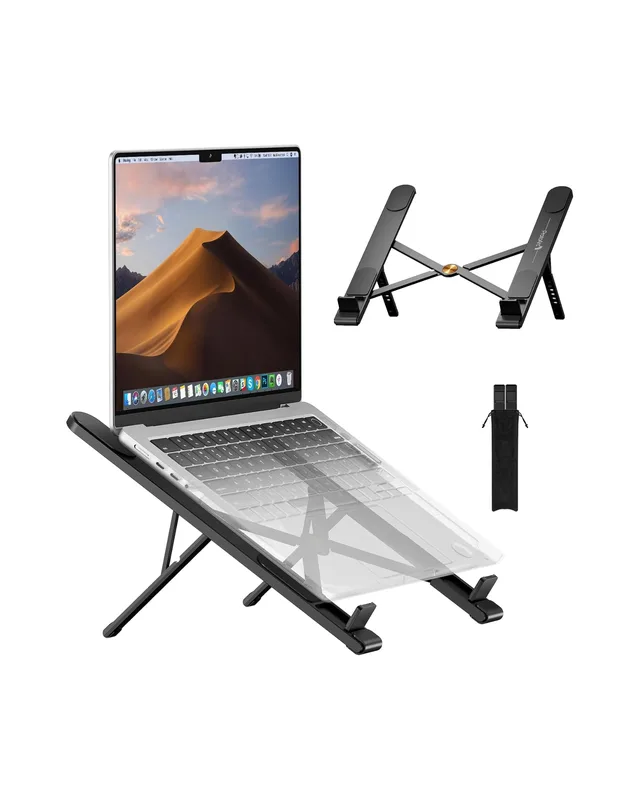
ProtoArc CS100 Laptop Stand
Foldable aluminum laptop stand with 6-level height adjustment
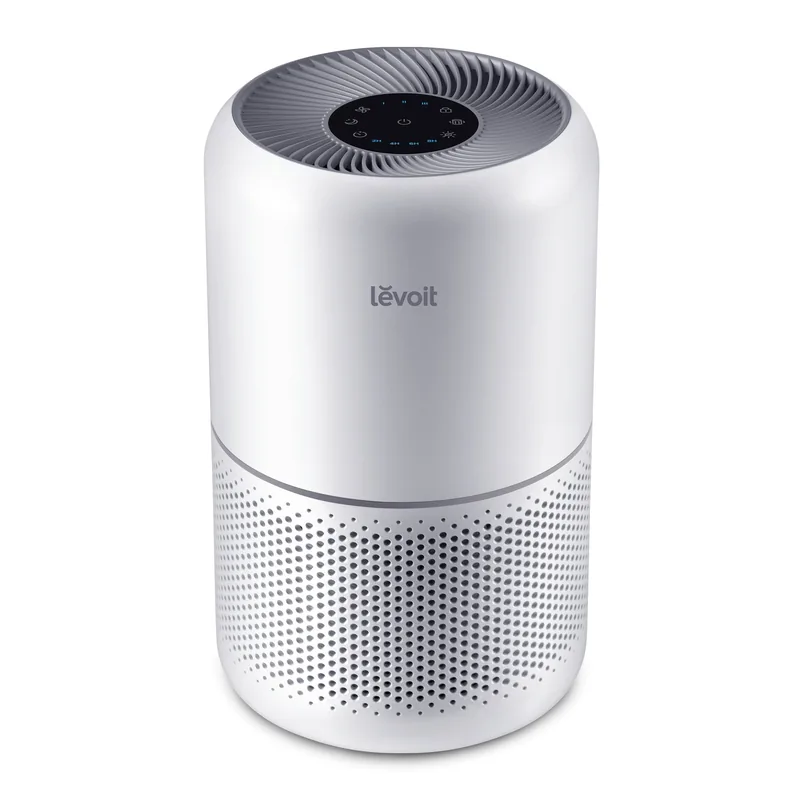
Levoit Core 300
Compact HEPA air purifier for bedrooms and small-to-medium rooms
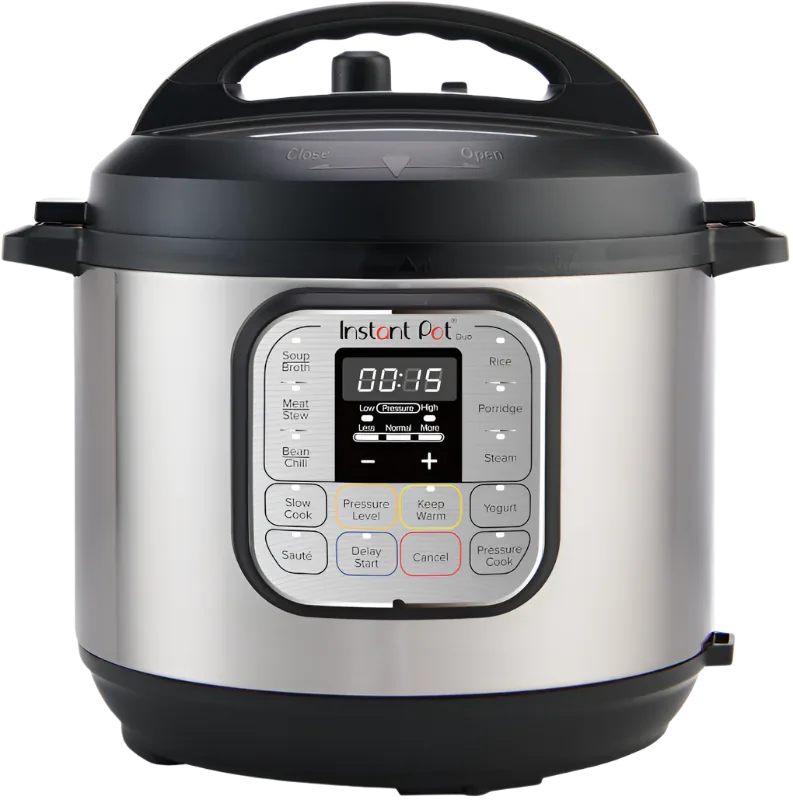
Instant Pot Duo Mini 7-in-1
Compact 3-quart multicooker — pressure cook, slow cook, rice, steam, saute, yogurt, and warm
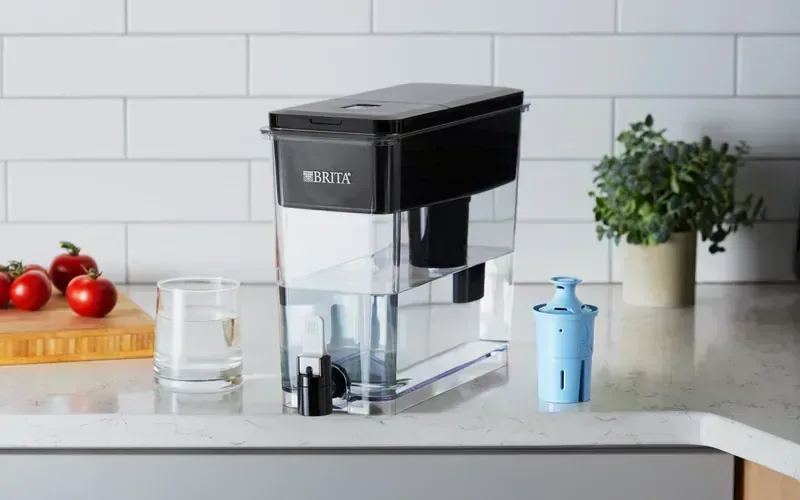
Brita Elite Water Filter Dispenser
Extra-large fridge dispenser, certified to reduce lead, microplastics, and other contaminants
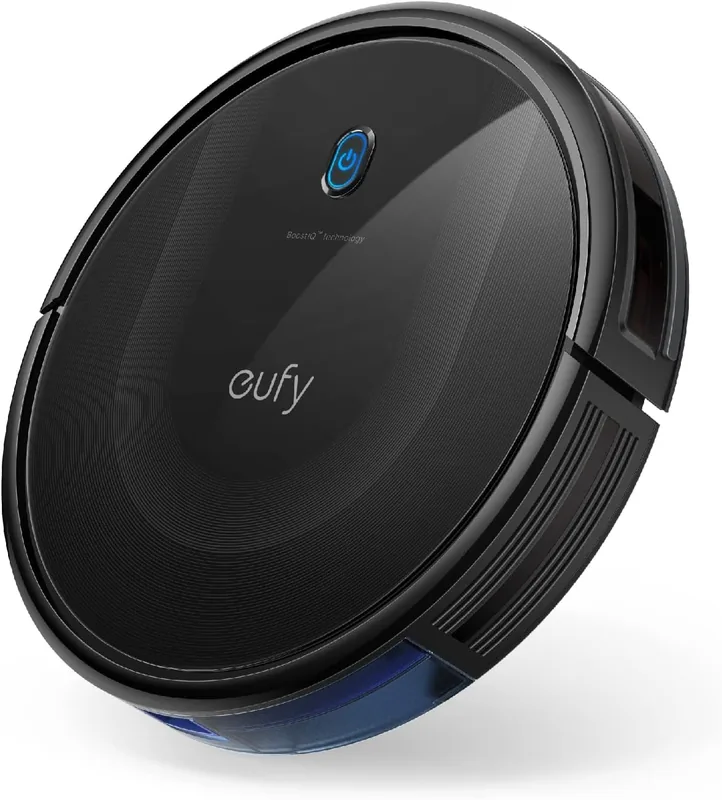
eufy 11S MAX Robot Vacuum
Slim, quiet, no-WiFi robot vacuum for hard floors to medium-pile carpet
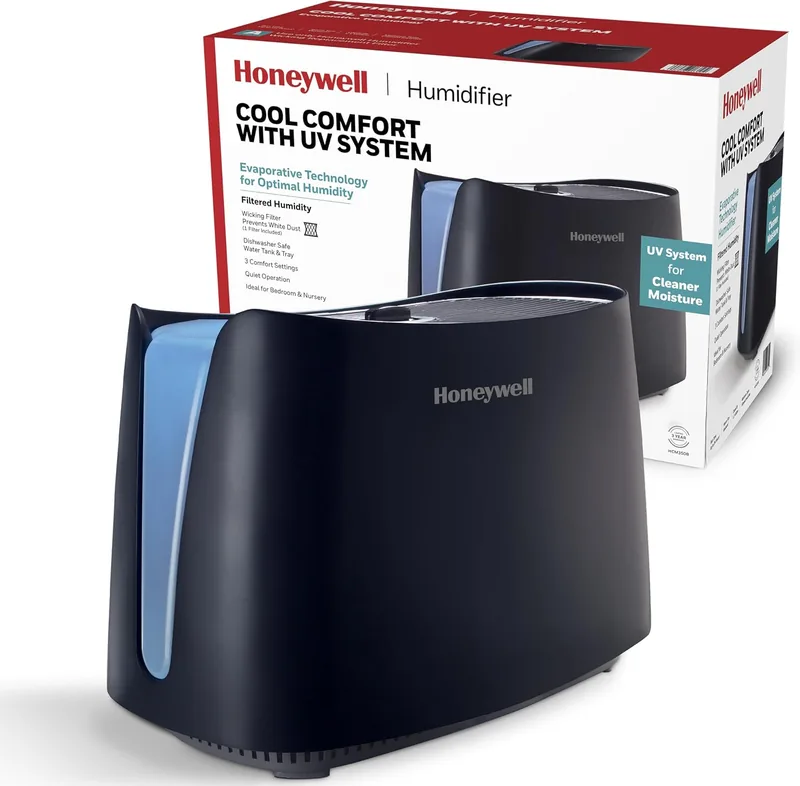
Honeywell HCM350B Cool Moisture Humidifier
Evaporative cool-moisture humidifier with UV water treatment for bedrooms and medium rooms
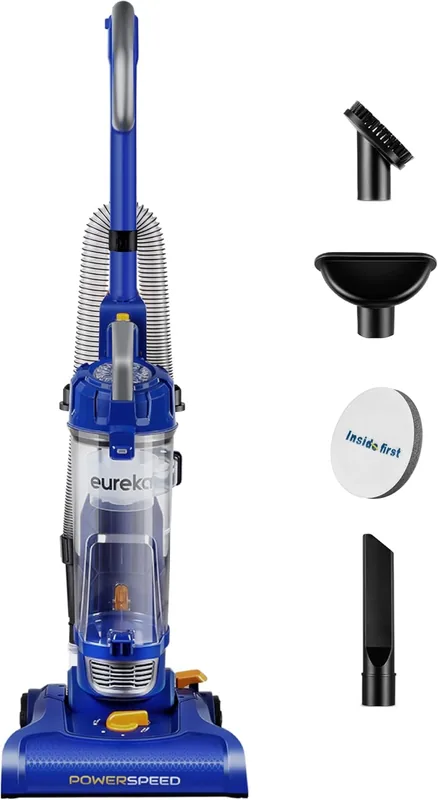
Eureka NEU182A PowerSpeed Vacuum
Lightweight bagless upright vacuum with a motorized brush roll for carpet and hard floors
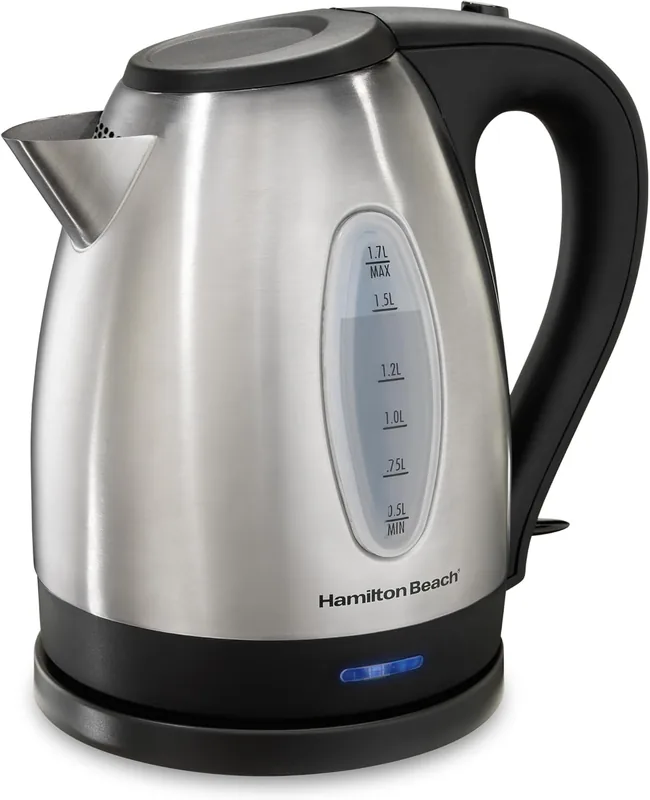
Hamilton Beach 40880G Electric Kettle
1.7-liter cordless-serving kettle with fast 1500-watt boiling and boil-dry protection
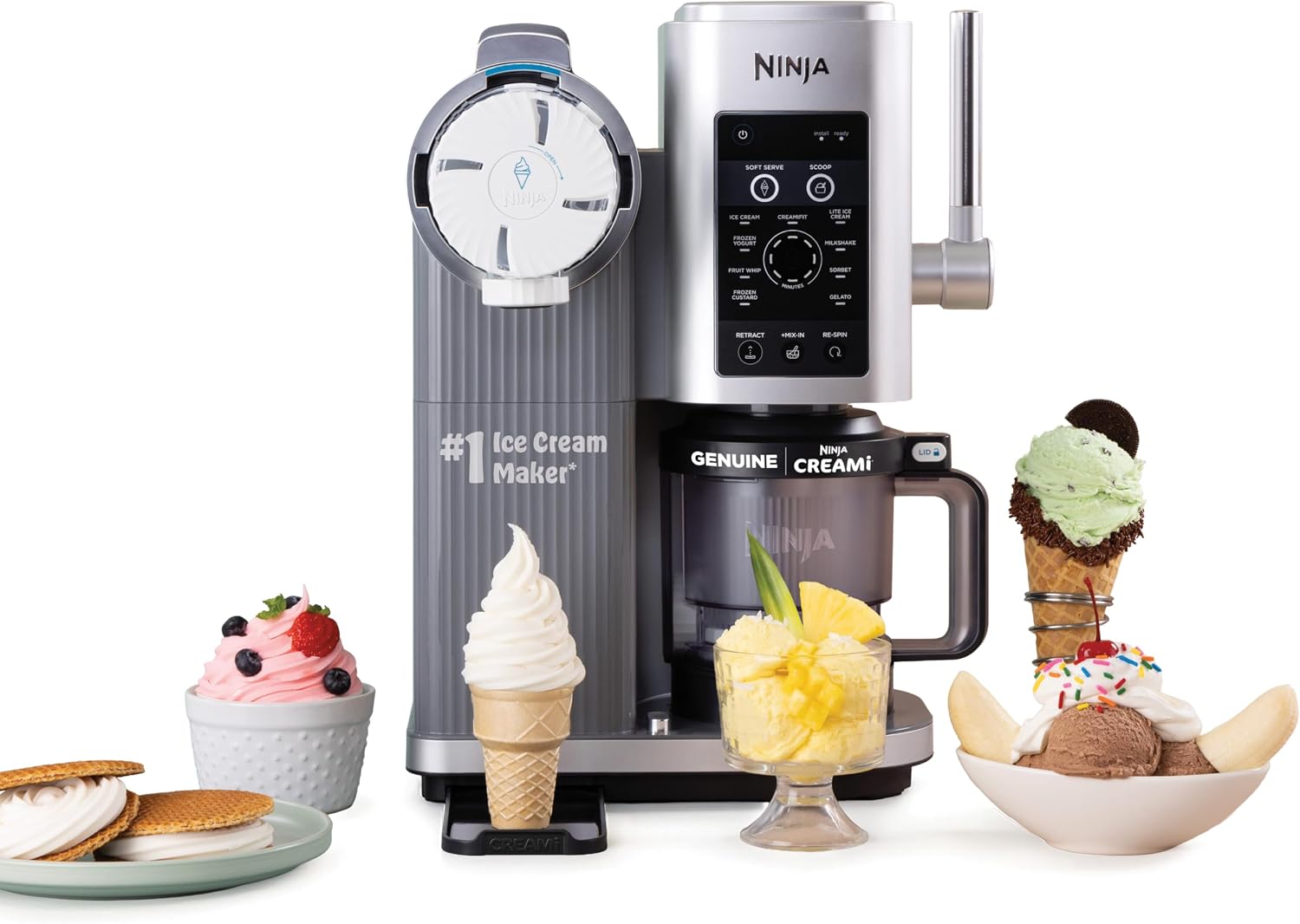
Ninja Creami Scoop & Swirl
13-in-1 ice cream and soft serve maker, scooped or swirled
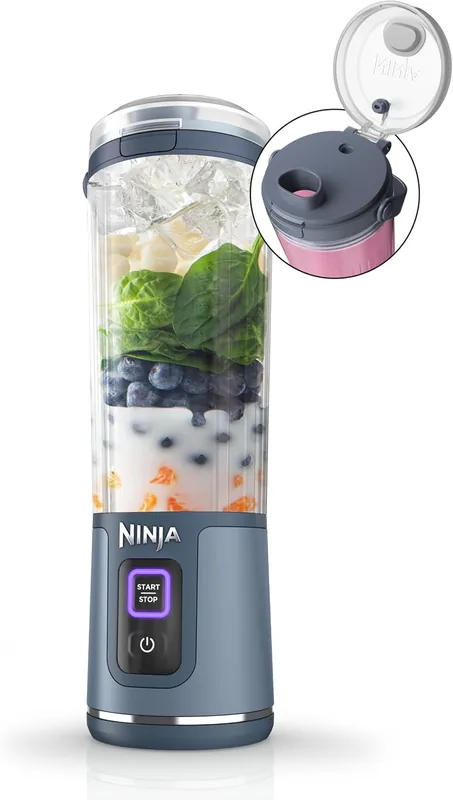
Ninja BC151NV Blast Portable Blender, Cordless, 18oz
USB-C rechargeable cordless blending anywhere — BlastBlade crushes ice & frozen fruit, leakproof sip lid, dishwasher safe

Rooted Box
Affordable indoor plants, succulents, and eco-friendly gift boxes delivered to your door
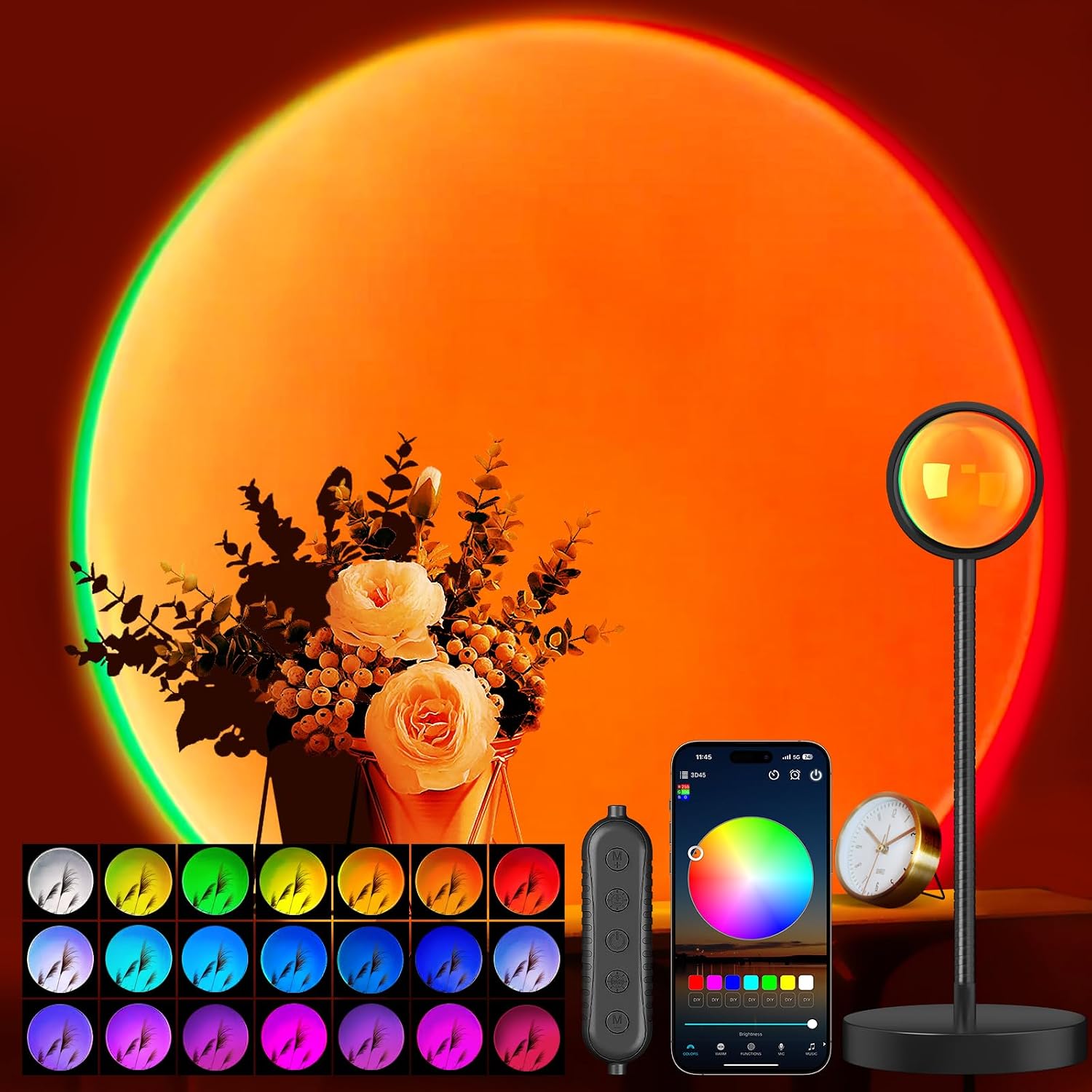
Neroupe Sunset Lamp Projector
APP and button-controlled LED sunset projector with 360-degree rotation and multiple color modes
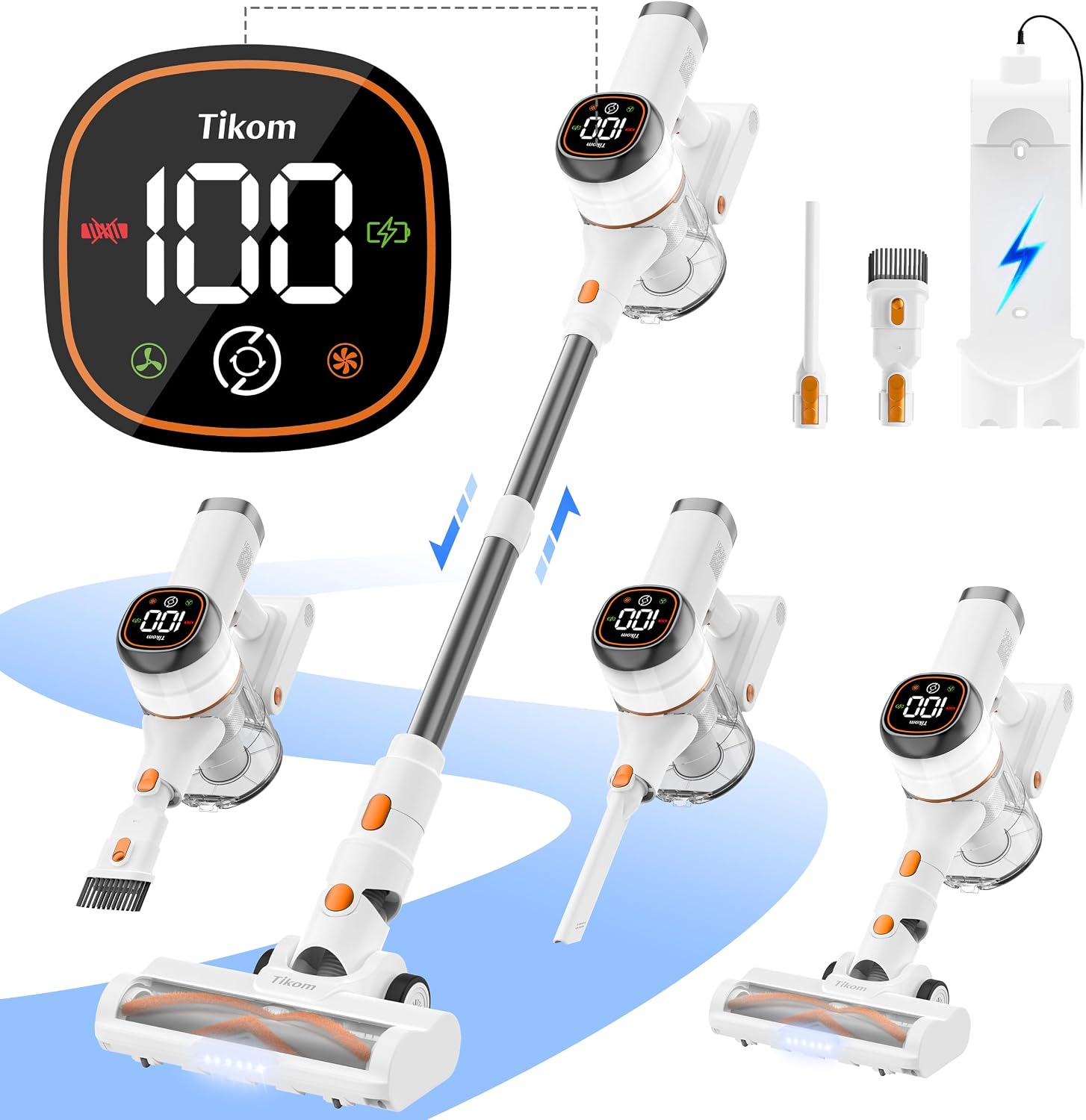
Tikom V500 Cordless Vacuum Cleaner
40000Pa/450W cordless stick vacuum with LED touch screen and charging wall dock

Alynova
Smart gadgets and trending tech finds, from robot toys to kitchen and travel electronics

The Home Decor Shop
Handcrafted home decor - ceramics, artificial plants, wall clocks, and decorative showpieces
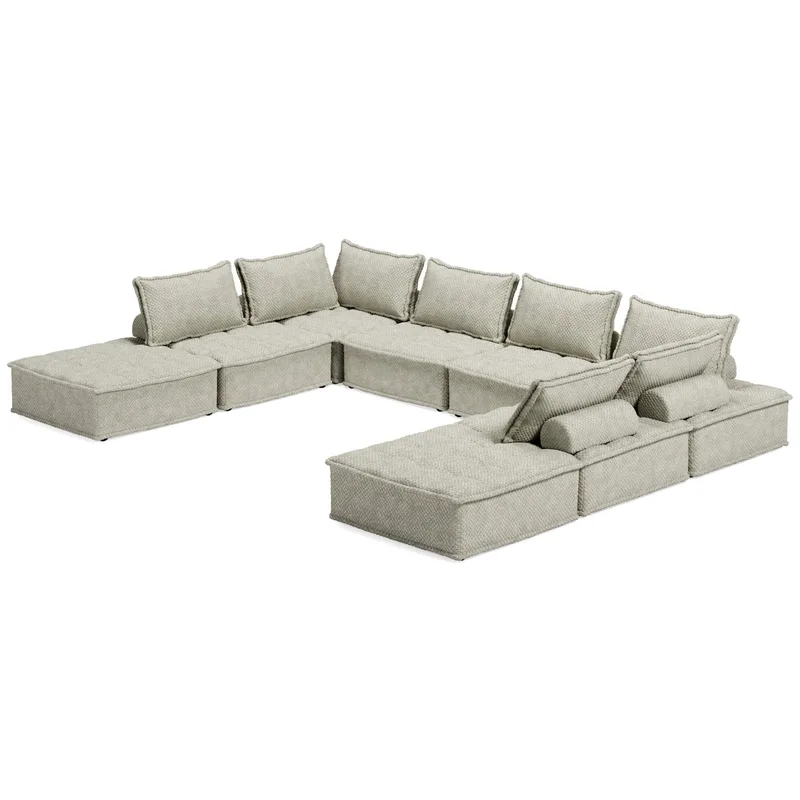
Al Rugaib Furniture
Premium furniture and home decor - living, dining, bedroom, and outdoor collections
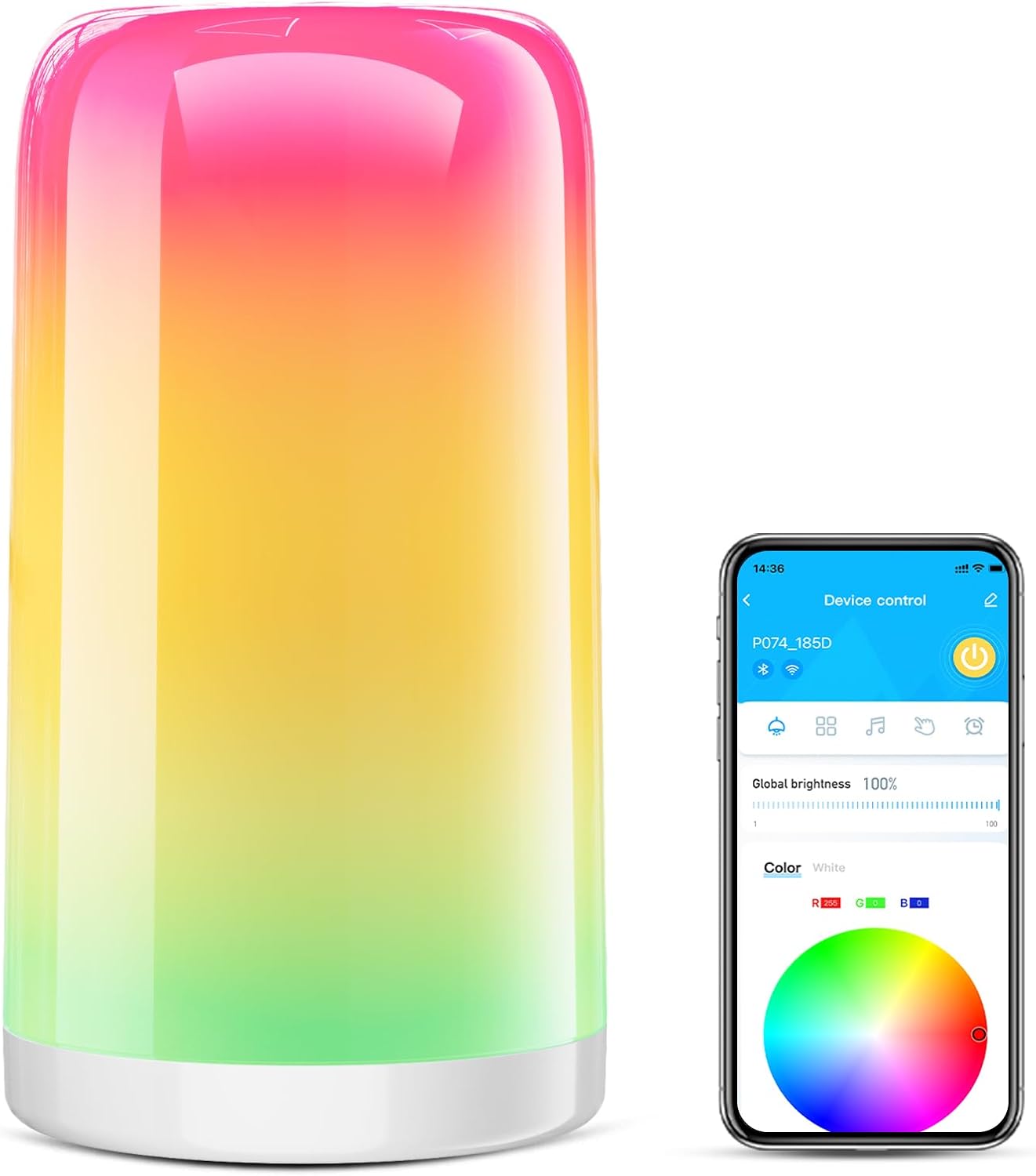
Volivo Smart RGB Table Lamp
Touch-control RGBCWIC table lamp with 10 preset modes, music sync, and Alexa/Google Assistant voice control
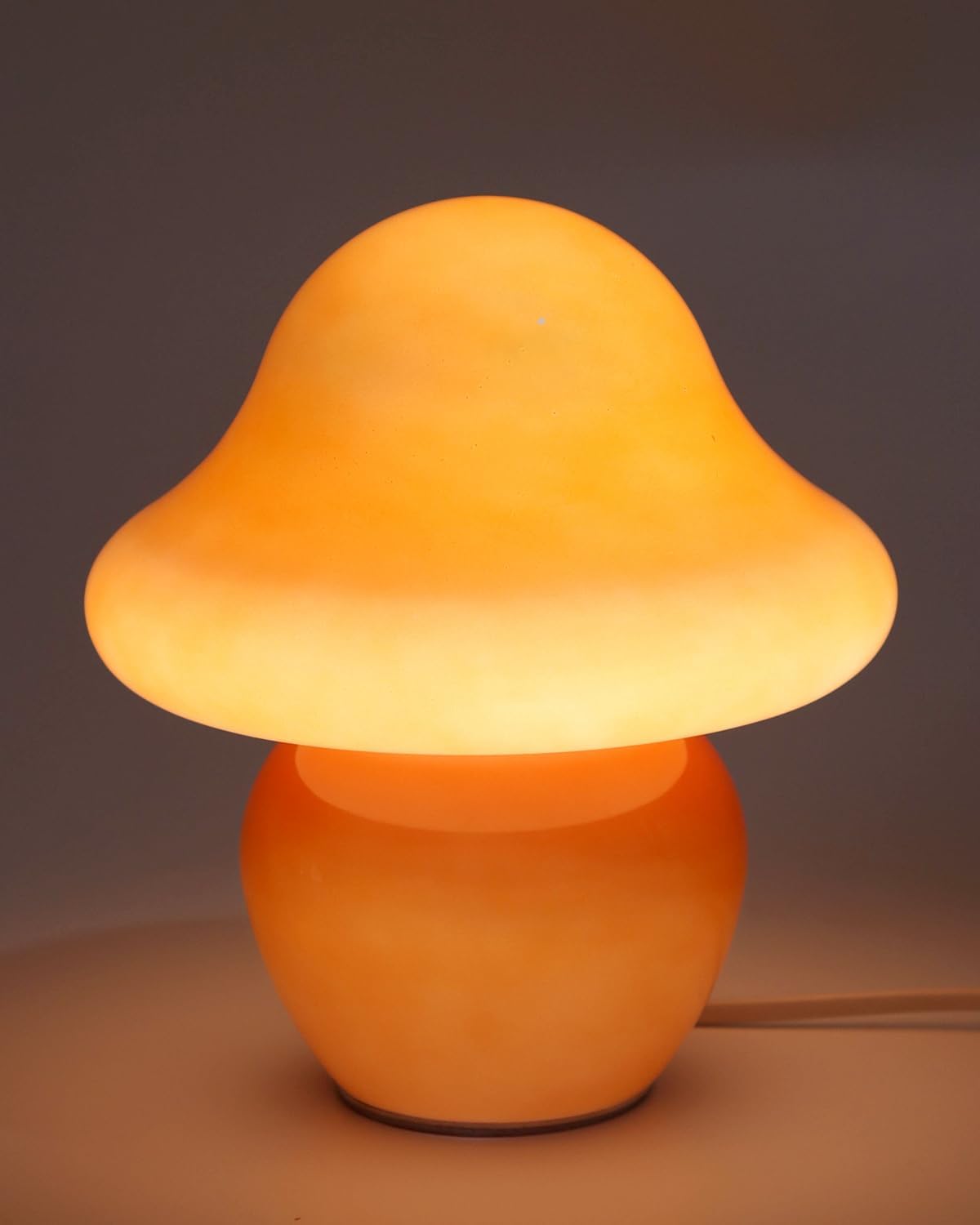
HEQET Mushroom Glass Lamp
Orange glass mushroom-shaped table lamp for a warm, aesthetic bedroom or living room glow
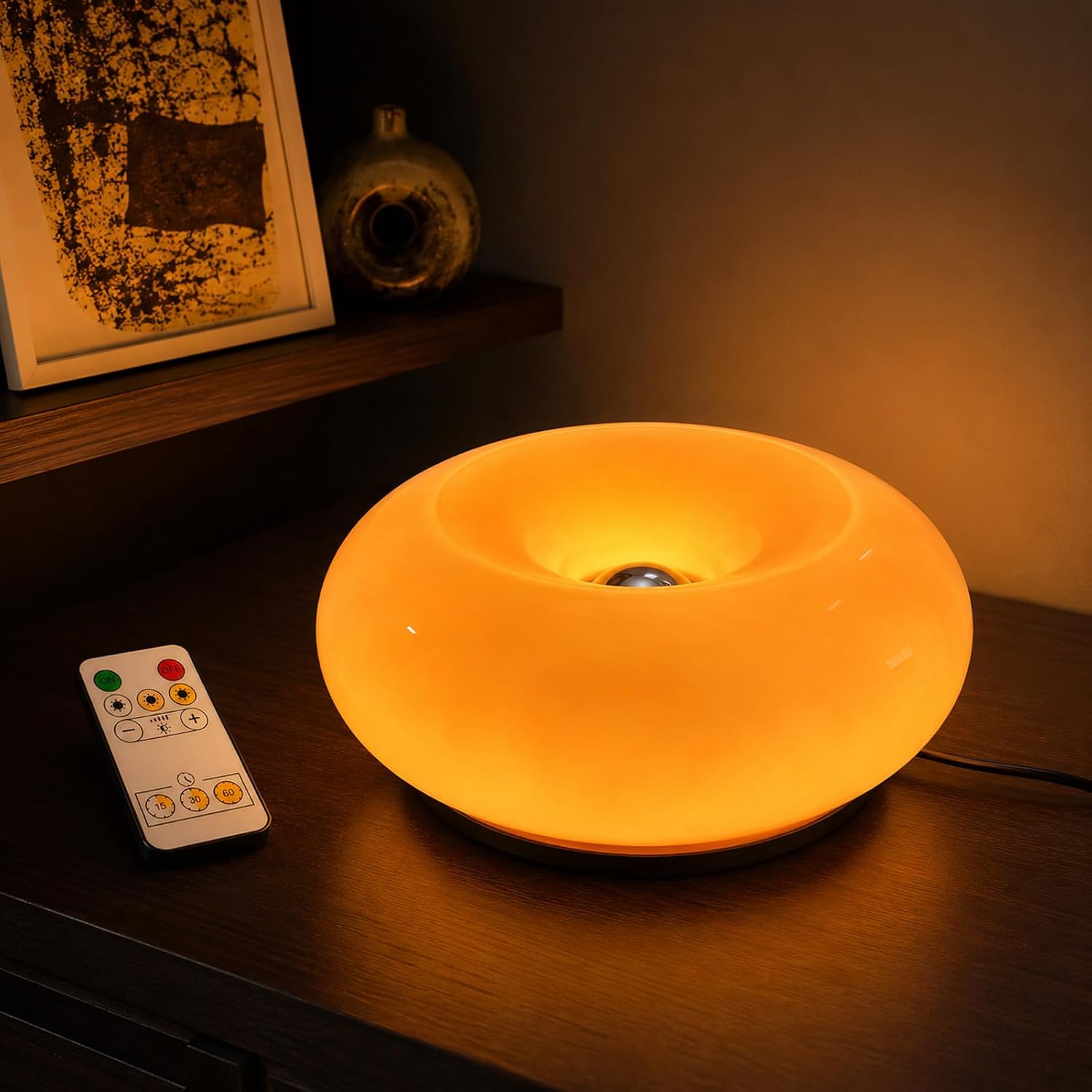
MIXL Ambient Donut Lamp
Blown-glass donut ambient lamp with stepless dimming and touch-or-remote control
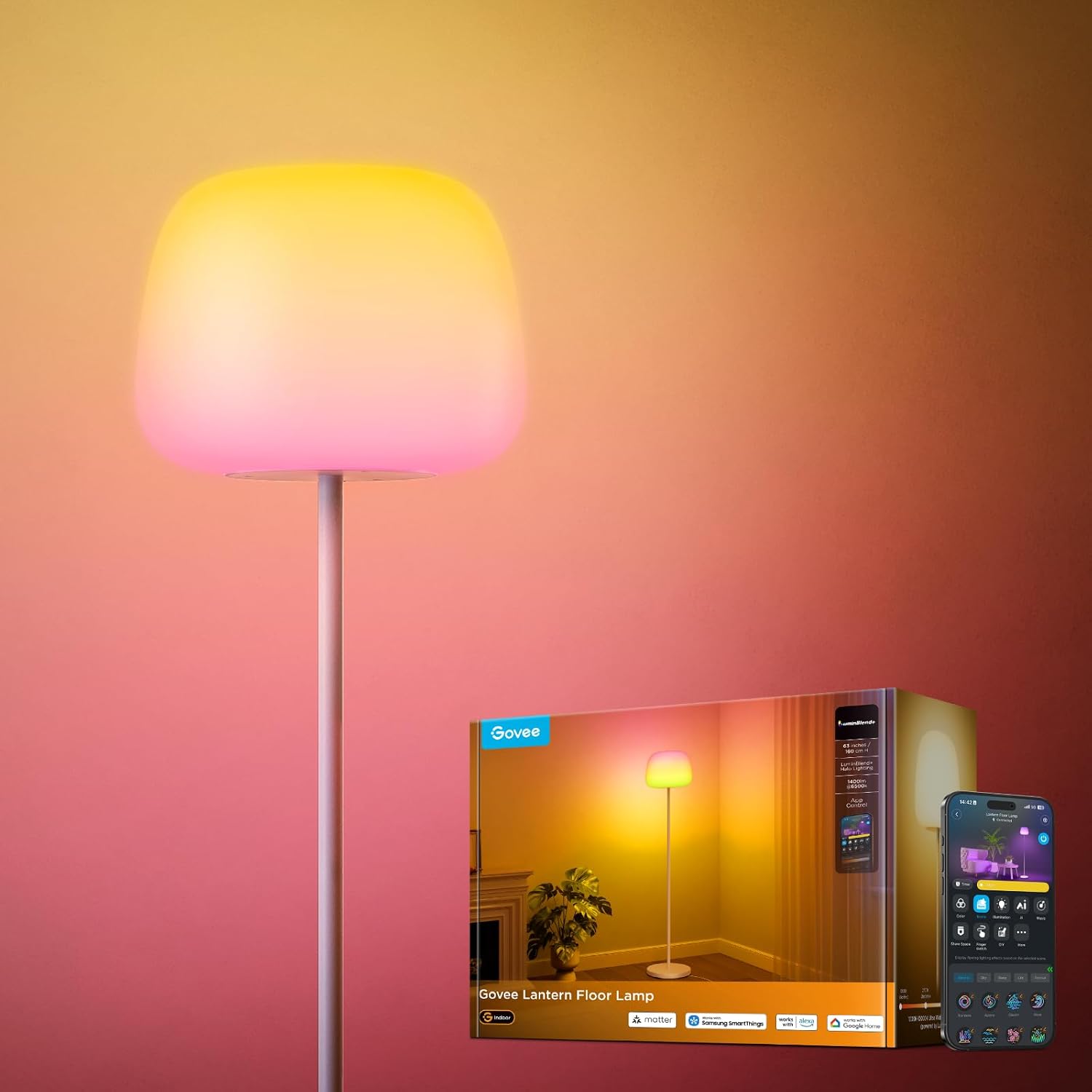
Govee Halo Gradient Corner Lamp
Halo Gradient RGBIC corner floor lantern with 100+ scene modes and Matter smart home support
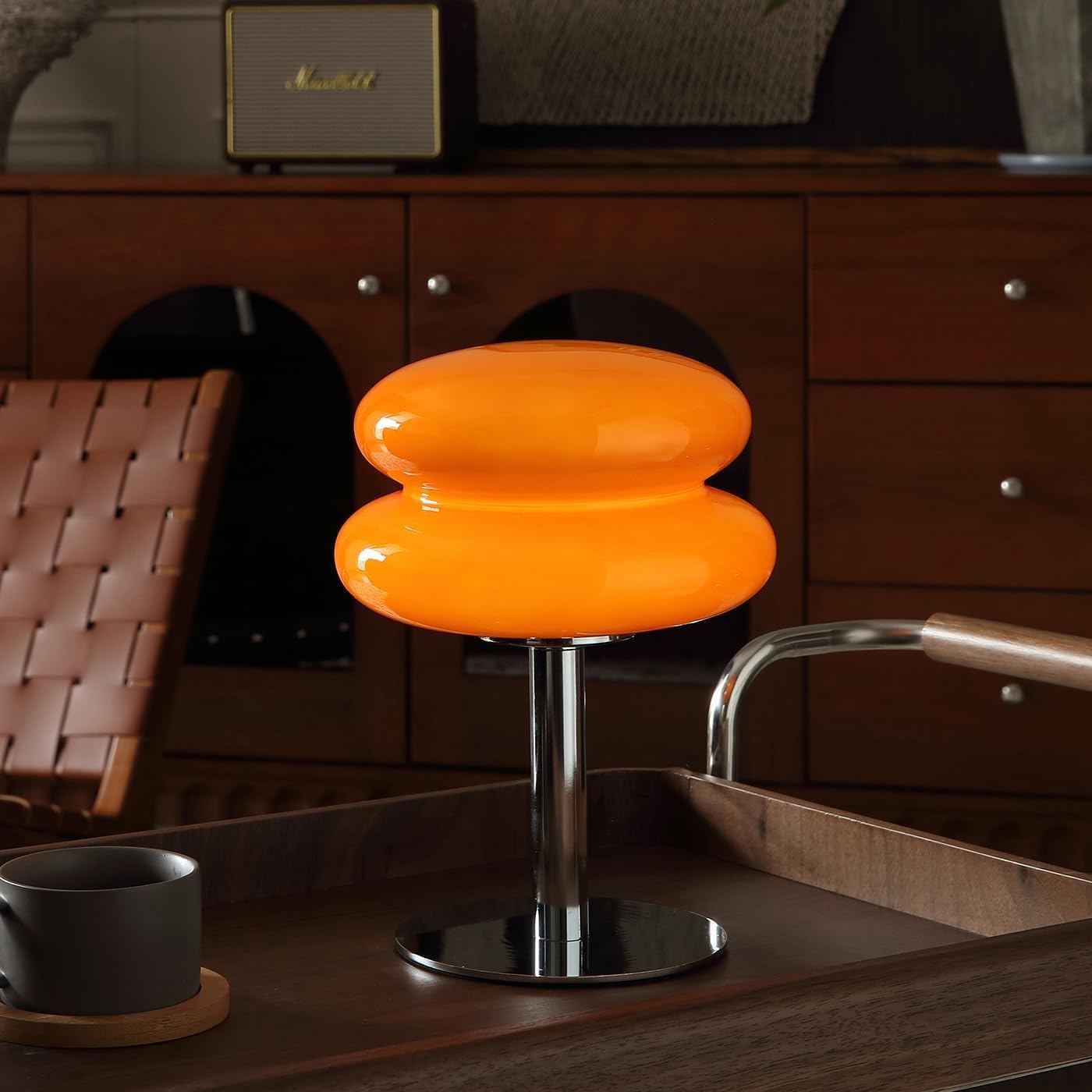
Glivpny Mushroom Table Lamp
Mid-century mushroom-shaped bedside lamp with dimmable warm lighting for nightstands and desks
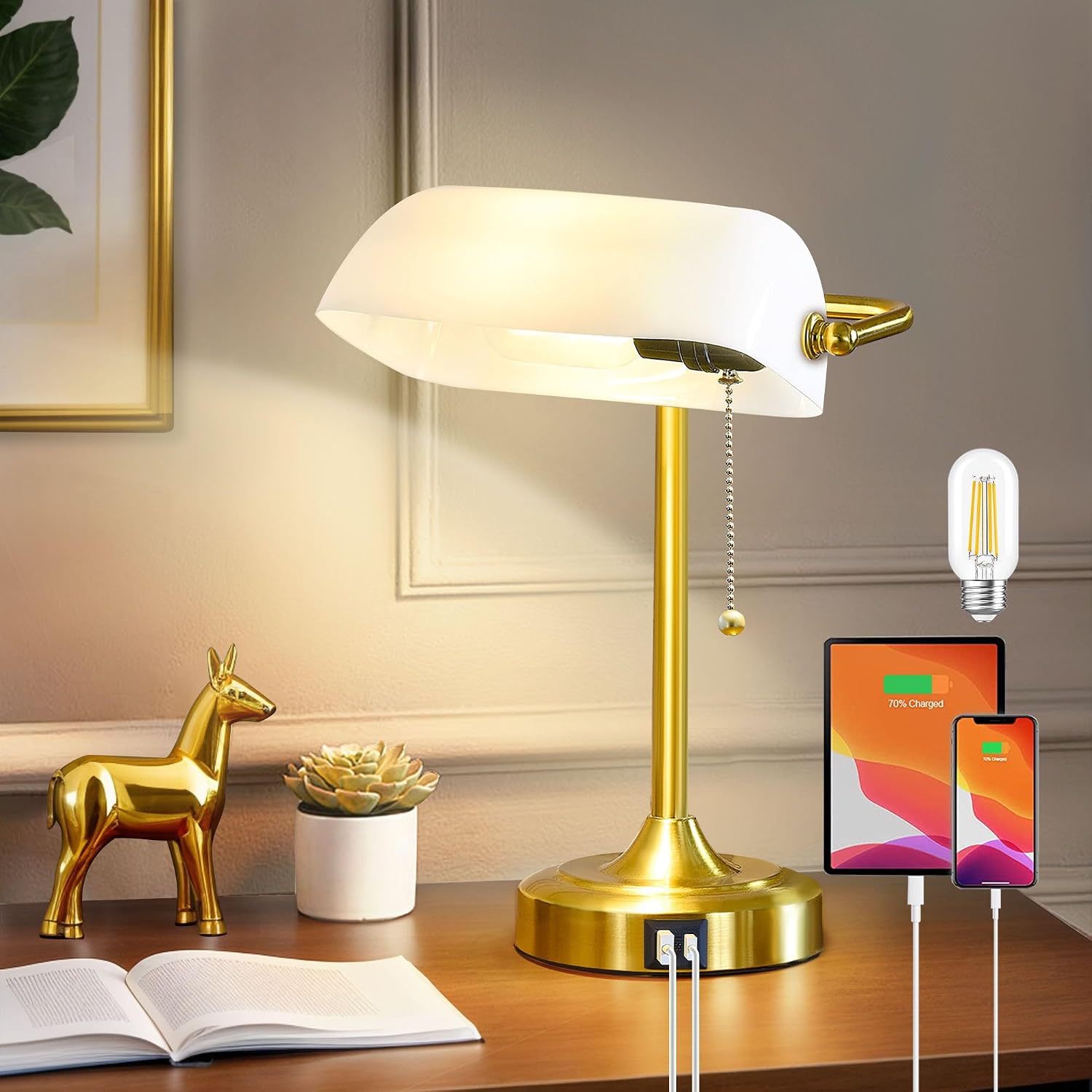
Vintage Bankers Desk Lamp
Retro bankers-style desk lamp with USB and USB-C charging ports for home office or nightstand

Heoxo
Solar-powered outdoor lighting for gardens, patios & home exteriors
Best Home Gadgets
Practical home, kitchen & smart living gadgets
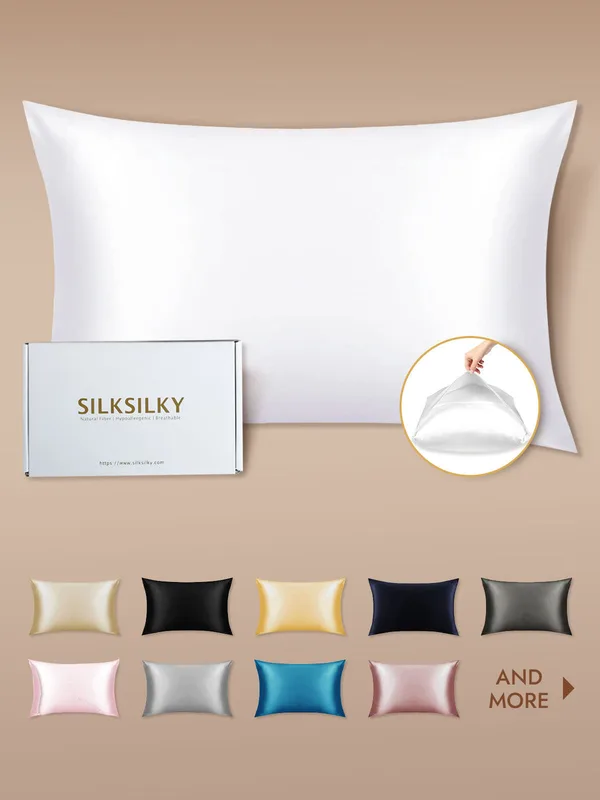
SilkSilky
100% Mulberry silk pillowcases, sleepwear, and bedding
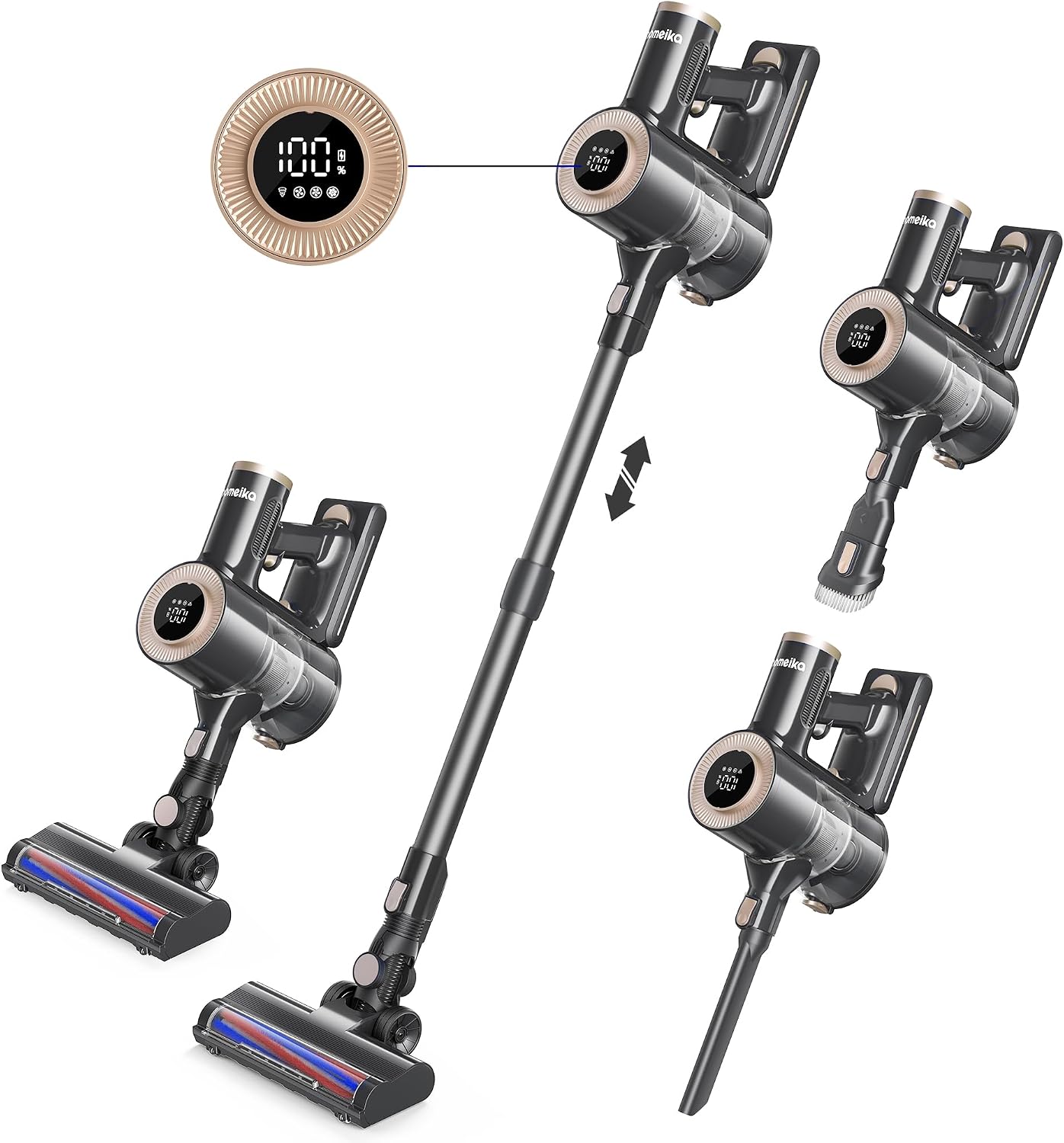
Homeika Cordless Stick Vacuum, 28Kpa
8-in-1 lightweight cordless stick vacuum with LED display and 50-min detachable battery
SwitchBot S20 Robot Vacuum & Mop
Fully automated robot vacuum and mop for hands-off floor cleaning
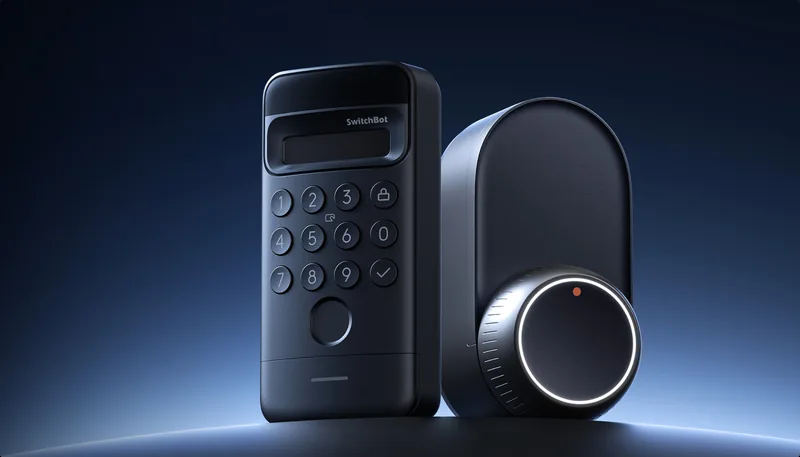
SwitchBot Lock Ultra
Retrofit smart lock with 3D facial recognition, keeps your existing deadbolt

SwitchBot K20+ Pro
Multi-tasking household robot that vacuums, mops, and doubles as a mobile security cam

SwitchBot AI Art Frame
Wireless color E-Ink art frame with AI-generated art, no cables or setup

Hurom
Premium cold-press slow juicers with patented Slow Squeeze Technology
EGOHOME
Fall Savings: up to 25% off mattresses & bedroom sets, code FALL2026 for extra 10% off select items
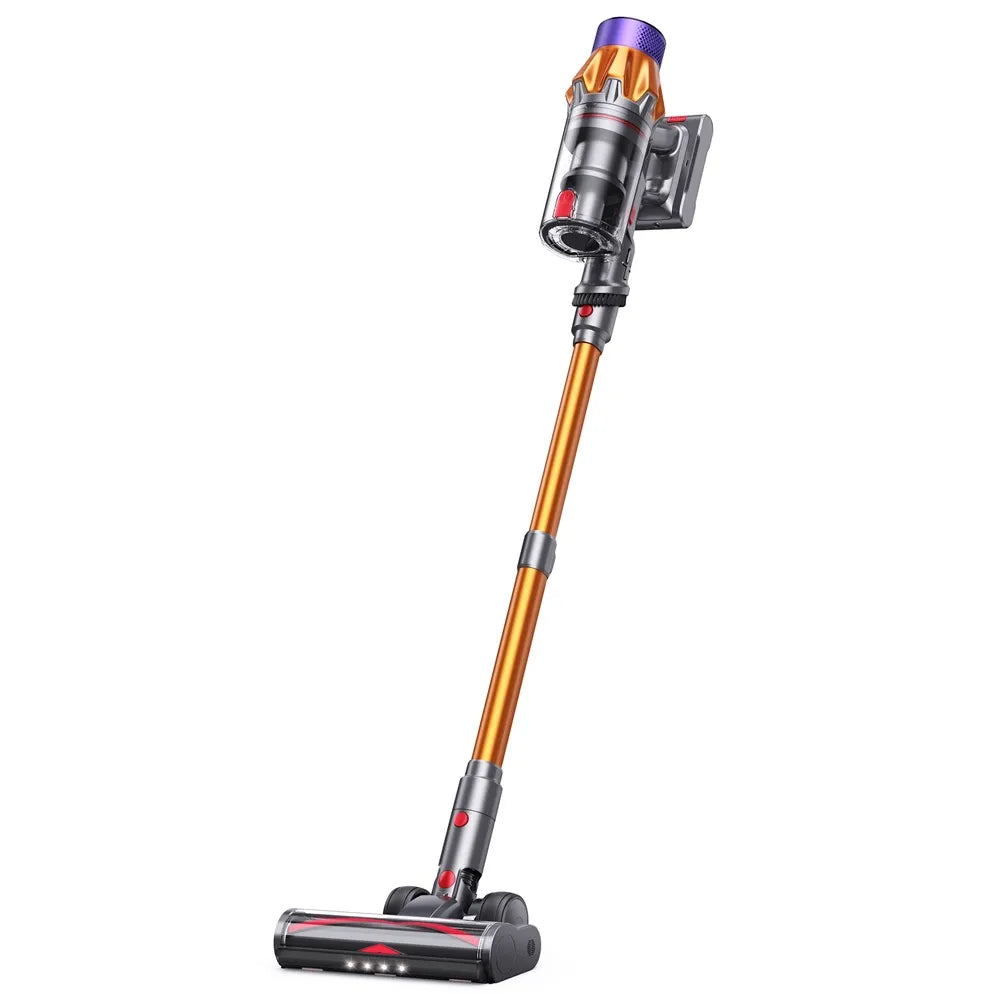
Honiture X7 Cordless Vacuum
45kPa suction, 60-min runtime, anti-tangle design with HEPA filtration for multi-floor cleaning
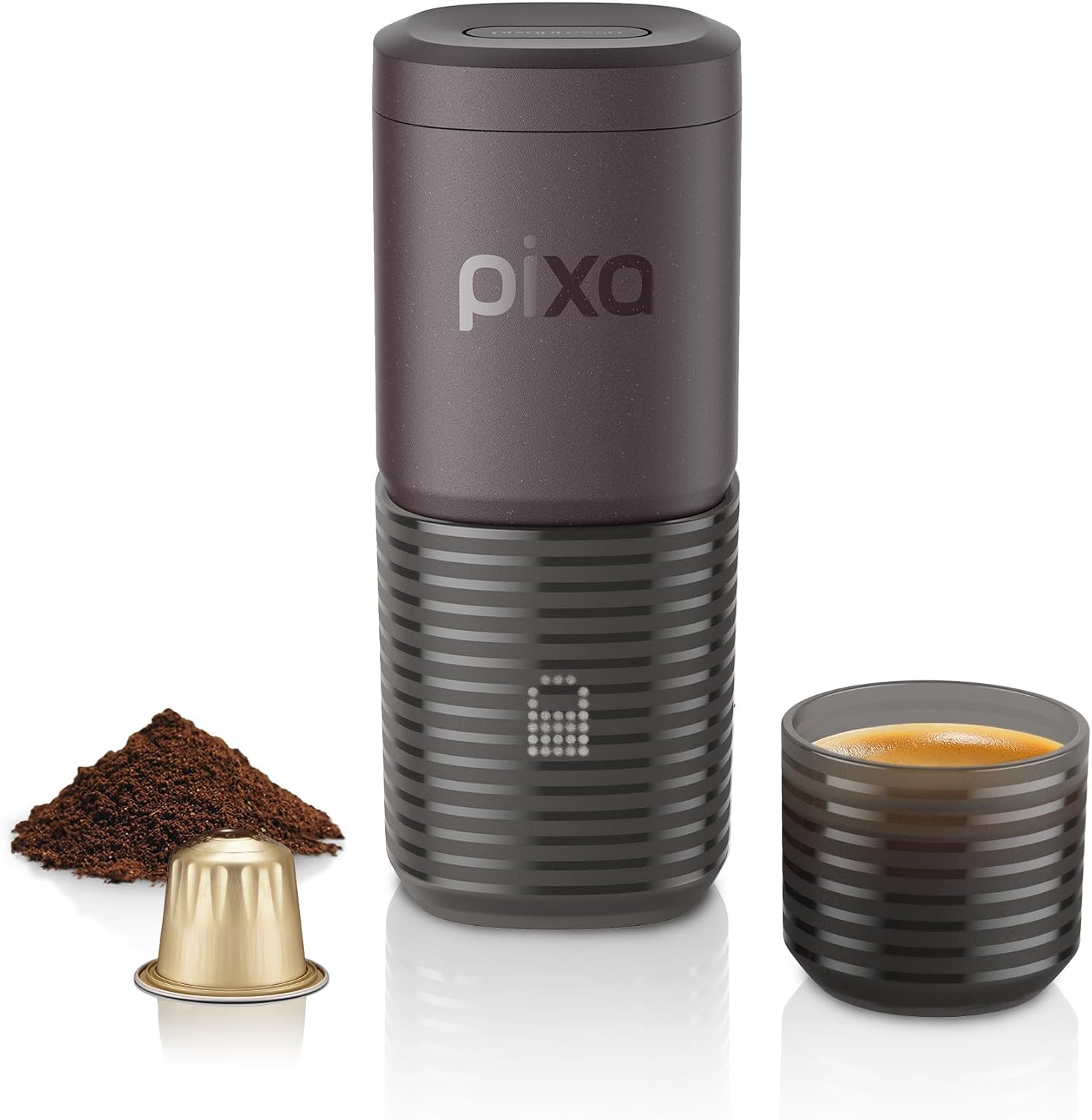
Wacaco Pixapresso
Wacaco's first electric portable espresso maker, for ground coffee or Nespresso Original capsules
How to Choose Home & Lifestyle Products
The home category is one of the easiest places to overspend on features you'll never use and underspend on the one thing that actually matters for your specific space. Before comparing specific products, it helps to separate three different kinds of home purchases, because the buying logic is different for each: things you interact with daily (kitchen tools, lighting, cleaning gear), things that run in the background and you mostly forget about (air purifiers, water filters, smart thermostats), and things that are mostly aesthetic (decor, textiles, furniture accents — see our Home Decor Shop, Rooted Box, and Al Rugaib Furniture reviews for three very differently-verified merchants in that space). Daily-use items are worth spending more on ergonomics and durability testing; background items are worth spending more on reliability and low-maintenance operation; aesthetic items are the one category where personal taste should outweigh spec sheets.
A second thing worth checking before buying: does the product actually fit your routine, or just look good in the marketing photo? A countertop appliance that needs to be washed by hand in five pieces will get used a lot less than one that's dishwasher-safe in one piece, no matter how much better the first one performs on paper. A "smart" device that requires opening an app every time is often less convenient in practice than the manual version it replaced — smart features earn their keep only when they remove a step you were already annoyed by, like remotely checking whether you left the stove on, not when they add a step for something that worked fine with a physical switch. The same "does it fit how I actually shop" question applies to general gadget marketplaces like Alynova — a wide trending-gadget catalog is convenient right up until you need a specific item's reputation verified, which isn't always possible with newer general-marketplace stores.
Space constraints matter more than most buying guides admit. A product review written by someone testing in a large suburban house doesn't automatically transfer to a small apartment, a shared household, or a home with pets and young kids. Before buying anything sized for a room — furniture, air purifiers rated by square footage, storage systems — measure your actual space rather than estimating, and check the product's real dimensions (including clearance needed to open doors, lids, or drawers), not just its footprint.
On durability: price is a weak signal on its own. Higher price often reflects brand marketing budgets, retail markup, or subscription upsells rather than better materials or a longer service life. The stronger signals are independent long-term ownership reports (not the retailer's own reviews, which skew toward recent buyers who haven't hit failure points yet), the availability of replacement parts and filters, and whether the manufacturer publishes a real warranty with a working claims process rather than just a long number on the box. A mid-range product backed by five years of spare-parts availability will usually outlast a premium one that gets discontinued after two.
Replacement timing is category-specific rather than calendar-based. Items with consumable parts — vacuum filters, water filter cartridges, air purifier filters — have manufacturer-stated service intervals that are worth actually following, since running past them usually degrades performance quietly rather than failing obviously. Purely durable goods like furniture, cookware, or hand tools should be judged on visible wear or functional failure, not age; a well-made cast iron pan or solid wood table can outlast the person who bought it, while a cheap knockoff of the same item might not survive a year of regular use.
Frequently Asked Questions
Do I need "smart" versions of every home product?
No. Smart features are worth paying for when they solve a real recurring annoyance — a leaking faucet you can monitor remotely, lights you genuinely forget to turn off. If a smart version just adds an app for something a manual switch already does fine, skip it; it's one more thing that can lose Wi-Fi or need a firmware update.
What's the biggest mistake people make buying home products?
Buying for the room they wish they had instead of the one they have. A product that's perfect in a 400-square-foot open-plan apartment can be the wrong choice in a small galley kitchen or a home with pets and kids. Measure your actual space and account for your actual routine before buying.
Are pricier home brands always better quality?
Not reliably. Price often tracks brand marketing spend and retail channel more than material quality or durability. Independent teardown reviews and long-term owner reports are better signals than price tier alone — a mid-priced product with a strong repair/parts record can outlast a premium one with none.
How often should I replace everyday home products?
It depends on the category, not a fixed calendar. Items with moving parts or filters (vacuums, air purifiers, water filters) have manufacturer-stated service intervals worth following. Purely durable goods (furniture, cookware) should be replaced based on visible wear or failure, not age alone.